meta pixel code

AHC Specialty Clinic


A Complete Guide to Heart Failure: Causes, Symptoms and Treatment Options

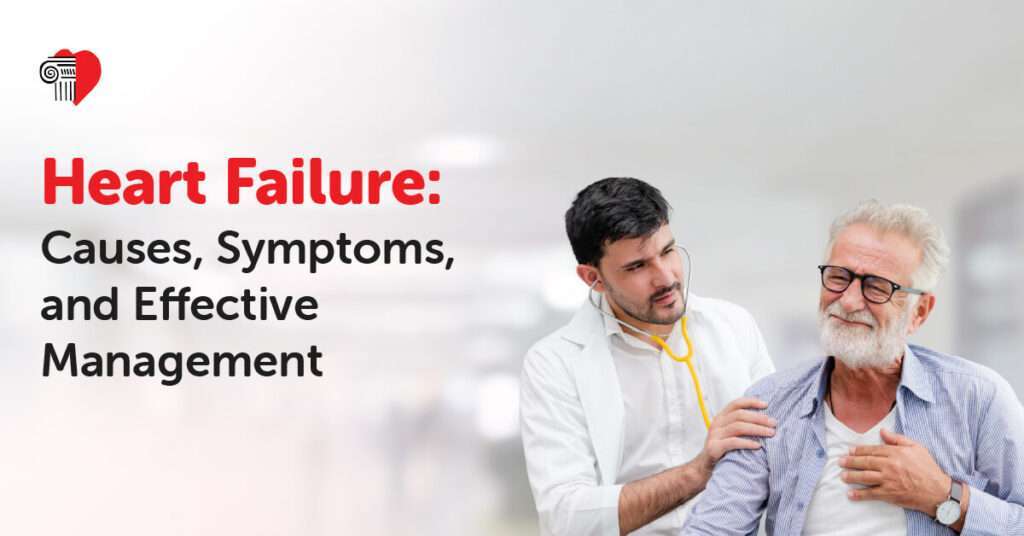
Millions of people worldwide suffer from heart failure, a dangerous medical condition. It happens when the heart cannot pump blood effectively, which results in insufficient oxygen and nutrient circulation. Despite its severity, early diagnosis and appropriate treatment can greatly enhance patients’ quality of life. To increase knowledge and comprehension, we will examine the causes, signs, diagnosis, and treatment of heart failure in this blog.

What is Heart Failure?

Heart failure is a sign that the heart’s capacity to pump blood efficiently has diminished, not that the heart has stopped beating. The left, right, or both sides of the heart may be impacted by this disorder, which can cause congestion and fluid accumulation throughout the body.

Causes of Heart Failure

Heart failure is caused by several factors, including:
  1. Coronary Artery Disease (CAD): Over time, the heart’s ability to pump blood is diminished due to blockages in the coronary arteries.
  2. High blood pressure: Also known as hypertension, makes the heart work harder, which ultimately wears out the heart’s muscles.
  3. Diabetes: Elevated blood sugar damages blood vessels and increases the risk of heart disease.
  4. Heart Attack: An abrupt stoppage of blood supply to the heart muscle can cause irreversible harm and impair heart function.
  5. Cardiomyopathy: Conditions that impair the heart muscle can make it less effective at pumping blood. Heart failure can result from valve dysfunction, which puts stress on the heart.
  6. Congenital Heart Defects: Some people have structural heart defects from birth, which over time may cause heart failure.
  7. Obesity and Sedentary Lifestyle: Being overweight increases cardiac strain, and not exercising deteriorates cardiovascular health.
  8. Alcohol and Drug Abuse: Abuse of drugs and alcohol can weaken the heart’s muscles and cause damage to the heart.

Symptoms of Heart Failure

The following are typical heart failure symptoms, which vary based on the severity of the condition:
  1. Dyspnea(shortness of breath)- It is the inability to breathe, particularly when lying down or exerting oneself.
  2. Weakness and Fatigue: Weakness results from decreased blood flow to the muscles.
  3. Edema(swelling)- It is the accumulation of fluid in the legs, ankles, feet, or abdomen.
  4. Fast or Unusual Heartbeat: The heart may attempt to make up for its inefficiency by beating more quickly.
  5. Wheezing or Persistent Cough: A persistent cough can result from fluid buildup in the lungs.
  6. Fluid retention: It is the cause of sudden weight gain.
  7. Concentration Issues: Brain function may be impacted by poor circulation.
  8. Nausea or Appetite Loss: Fluid accumulation in the digestive tract can cause digestive problems.

Diagnosis of Heart Failure

A combination of physical examination, medical history review, and specialized testing are necessary to diagnose heart failure. These tests include:
  1. Echocardiogram (Echo): An ultrasound test called an evaluates the structure and function of the heart.
  2. Electrocardiogram (EKG or ECG): It measures electrical activity and identifies abnormal heart rhythms.
  3. Chest X-ray: It can reveal an enlarged heart or a buildup of fluid in the lungs.
  4. Blood tests: Look for biomarkers of heart strain.
  5. Stress Tests: Assess how well the heart works when exerted.
  6. Cardiac MRI or CT scan: It produces fine-grained pictures of the anatomy of the heart.

Management and Treatment of Heart Failure

Although heart failure is a chronic illness, patients can live happy, fulfilling lives if their condition is properly managed. Medication, medical procedures, and lifestyle modifications are the mainstays of treatment.
1. Changes in Lifestyle
  • Healthy Diet: A diet high in fresh fruits and vegetables, low in saturated fats, and low in sodium is heart-healthy.
  • Frequent Exercise: Light to moderate physical activity strengthens the heart.
  • Weight management: The heart is less stressed when one maintains a healthy weight.
  • Limiting Alcohol and Giving Up Smoking: Heart health can be enhanced by cutting back on alcohol consumption and giving up smoking.
  • Managing Stress: Methods such as yoga and meditation assist in controlling heart rate and blood pressure.
2. Medications
Doctors may prescribe medications to manage symptoms and improve heart function, such as:
  • ACE Inhibitors & ARBs – help relax blood vessels and reduce heart strain.
  • Beta-Blockers – Slow the heart rate and lower blood pressure.
  • Diuretics (Water Pills) – Reduce fluid buildup and ease swelling.
  • Aldosterone Antagonists – Help control blood pressure and prevent fluid retention.
  • Digitalis – Strengthens heart contractions and regulates heart rhythm.
3. Medical Procedures and Surgical Options
For severe cases, medical procedures or surgery may be necessary:
  • Implantable Cardioverter Defibrillator (ICD) – Helps regulate abnormal heart rhythms.
  • Cardiac Resynchronization Therapy (CRT) – A pacemaker improves heart coordination.
  • Coronary Bypass Surgery – Restores blood flow in blocked arteries.
  • Heart Transplant – For end-stage heart failure, a transplant may be the last resort.

Prevention of Heart Failure

Maintaining a heart-healthy lifestyle and controlling pre-existing medical conditions are key to preventing heart failure. Managing blood pressure and cholesterol levels is one way to lower risk. Also,
  • Effective diabetes management.
  • Keeping up an active way of living.
  • Eating a well-balanced diet full of nutrients that are good for the heart.
  • Avoiding excessive alcohol use and tobacco use.
  • Undergoing routine examinations to keep an eye on heart health.

How Sleep Apnea Can Affect Heart Failure

Obstructive Sleep Apnea is a common sleep disorder linked to an increased risk of cardiovascular disease, including heart failure. During episodes of sleep apnea, breathing repeatedly stops and starts, lowering oxygen levels and placing additional strain on the heart.


Over time, untreated obstructive sleep apnea may worsen heart failure symptoms by increasing blood pressure, contributing to irregular heart rhythms, and reducing cardiovascular efficiency. Patients may experience increased fatigue, shortness of breath, and worsening heart strain when sleep apnea remains unmanaged.


Research suggests that treating sleep apnea with Continuous Positive Airway Pressure (CPAP) therapy may help improve sleep quality, maintain healthy oxygen levels, and reduce cardiovascular stress in eligible patients.

How Athens Heart Center Supports Patients

At Athens Heart Center & Specialty Clinics, providers evaluate cardiovascular concerns that may be influenced by sleep-related conditions, including obstructive sleep apnea. When medically appropriate, patients may receive guidance on sleep apnea management, CPAP therapy support, and treatment options designed to support both sleep quality and long-term heart health.

Conclusion

When identified early and treated appropriately, heart failure is a serious but treatable condition. People are empowered to take preventative measures for heart health when they are aware of its causes, symptoms, and available treatments. Patients can enhance their quality of life and avoid complications by adopting a healthy lifestyle, taking their medications as directed and remaining informed. Seek medical help right away if you or a loved one exhibits heart failure symptoms or to guarantee prompt intervention and improved results.

RESOURCES:

×

Table of Contents

Scroll to Top
Book Appointment