Board Certified in Cardiovascular Disease and Sleep Medicine
Athens Heart Center & Specialty Clinics, Athens, GA
Last updated on July 30, 2026
Congestive heart failure (CHF) is no longer a distant possibility for many; recent data indicates that approximately 1 in 4 individuals will develop heart failure in their lifetime. As the global and national burden of this chronic condition accelerates, the traditional, reactive model of cardiac care is proving insufficient.
At the Athens Heart Center in Athens, Georgia, led by board-certified cardiologist Dr. Subodh Agrawal, the clinical paradigm is actively shifting. By adopting the latest American College of Cardiology (ACC) guidelines and integrating cutting-edge technology with holistic lifestyle interventions, the clinic is redefining what it means to live with-and overcome-heart failure.
Targeting the Root of the Problem
Historically, heart failure was often managed only after a patient reached Stage C, defined by the ACC as the phase where overt symptoms like shortness of breath, fluid retention, and profound fatigue actively disrupt daily life.
The modern approach at Athens Heart Center emphasizes early detection and proactive intervention during the “at-risk” and “pre-heart failure” stages (Stages A and B) to halt the disease before irreversible structural damage occurs. For patients already experiencing symptomatic Stage C heart failure, the goal is ambitious but highly achievable: reverse the disease trajectory, alleviate the symptom burden, and return the patient to an asymptomatic state.
Treating the Whole Human: Lifestyle, Mindfulness, and Diet
Dr. Agrawal and his team recognize that managing a complex syndrome like CHF requires treating the whole human longitudinally. Medical prescriptions alone cannot outpace poor lifestyle habits. The clinic actively incorporates structured lifestyle modifications, integrating targeted dietary changes alongside yoga, meditation, and guided breathing techniques.
These mindfulness-based interventions are highly effective at downregulating the sympathetic nervous system’s “fight or flight” overdrive.By reducing this chronic neurohormonal stress, patients frequently experience lowered blood pressure, a reduced incidence of arrhythmias, and a vastly improved overall quality of life and resilience.
Next-Generation Therapeutic Modalities
When pharmacological intervention is required, the clinic utilizes the latest breakthroughs in guideline-directed medical therapy. Moving beyond traditional diuretics, Athens Heart Center employs highly targeted novel agents designed to expand a patient’s healthspan and keep them out of the hospital:
Kerendia (finerenone): A pioneering non-steroidal mineralocorticoid receptor antagonist (MRA) that effectively targets the fibrosis and inflammation driving heart muscle stiffness, significantly reducing cardiovascular death and hospital readmissions.
Verquvo (vericiguat): A soluble guanylate cyclase stimulator that restores critical cellular signaling pathways to relax blood vessels and improve heart function in patients suffering from worsening heart failure.
GLP-1 Receptor Agonists: Originally designed for diabetes and weight management, these medications have proven to be game-changers for patients with the obesity-related heart failure phenotype. They directly reduce systemic inflammation, eradicate toxic epicardial fat, and lower the risk of major cardiovascular events
Unmasking and Treating Rare Cardiac Diseases
A cornerstone of the Athens Heart Center’s preventative model is the utilization of advanced diagnostic techniques to uncover conditions that frequently hide in plain sight. Patients with unexplained heart failure are rigorously screened for rare, underlying etiologies such as hypertrophic obstructive cardiomyopathy (HOCM) and cardiac amyloidosis.
Cardiac amyloidosis, characterized by the toxic buildup of misfolded proteins in the heart tissue, is a notoriously underdiagnosed driver of diastolic heart failure. Athens Heart Center utilizes non-invasive diagnostic tools, including on-site PYP (pyrophosphate) nuclear scanning, to accurately detect this condition without the need for a hospital admission. Historically, a diagnosis of cardiac amyloidosis or HOCM carried a grim prognosis, but the landscape has been revolutionized. Today, patients have access to groundbreaking therapeutic agents-such as RNA silencers and protein stabilizers for amyloidosis, and targeted myosin inhibitors for HOCM-that halt the progression of the disease and dramatically improve outcomes.
By combining the precision of modern diagnostic medicine with the restorative power of holistic wellness, Dr. Agrawal and the Athens Heart Center are providing a blueprint for the future of cardiovascular care. It is a model that proves high-quality healthcare is not just about extending the length of life, but profoundly enriching its quality.
Self-Assessment: 5 Questions to Ensure You Are Getting Adequate CHF Treatment
If you have been diagnosed with congestive heart failure, taking an active role in your health is vital. Ask yourself these five questions to evaluate your current care plan:
Am I on comprehensive, guideline-directed medical therapy (GDMT)? Current ACC guidelines recommend a multi-pillar approach, which may include beta-blockers, ARNIs, and newer additions like SGLT2 inhibitors or non-steroidal MRAs (like Kerendia), depending on your specific type of heart failure.
Has my doctor discussed my specific “ejection fraction” phenotype? Treatment differs vastly if you have heart failure with reduced ejection fraction (HFrEF) versus preserved ejection fraction (HFpEF). Knowing your phenotype ensures you get targeted medications.
Have I been screened for underlying rare conditions like Cardiac Amyloidosis? If you are an older adult with HFpEF and symptoms like bilateral carpal tunnel syndrome or spinal stenosis, you should be screened via a non-invasive PYP scan to rule out amyloidosis.
Is my care plan addressing my whole body, including weight and sleep?Conditions like obstructive sleep apnea and obesity severely worsen CHF. Ask if therapies like CPAP machines or GLP-1 receptor agonists are appropriate for your cardiometabolic profile.
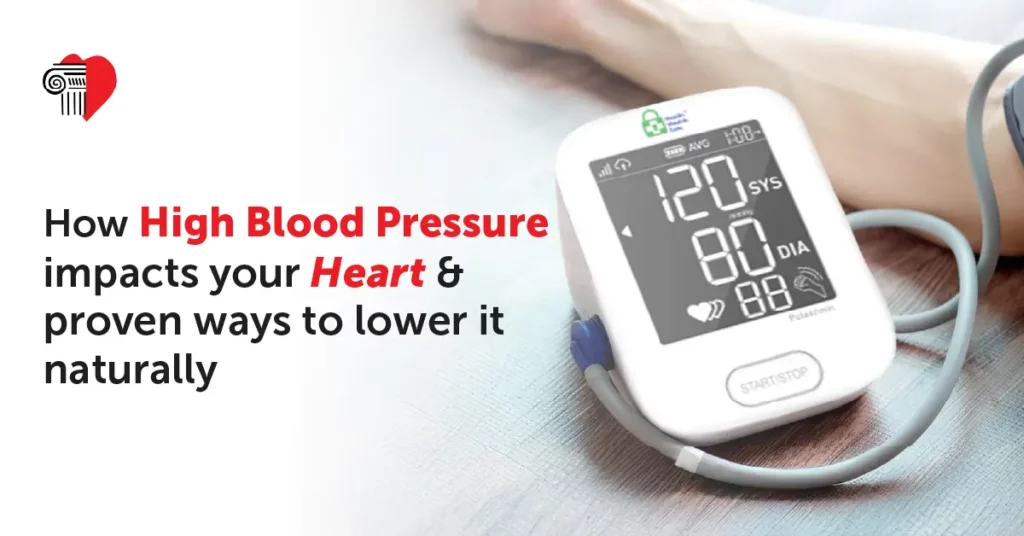
Am I actively tracking my vital signs at home? Adequate treatment involves remote patient monitoring or daily self-checks of your weight and blood pressure to catch fluid retention before it requires an emergency hospital visit.
Frequently Asked Questions (FAQ): Tracking Your CHF Treatment & Recovery
How do I know if my heart failure is actually improving? Improvement is primarily measured by a reduction in your daily symptoms (less fatigue, diminished swelling in the legs, and easier breathing when lying flat). Clinically, your doctor will look for increased exercise tolerance (e.g., walking further on a 6-minute walk test), fewer hospital admissions, and stabilized or lowered cardiac biomarkers like NT-proBNP in your blood work.
Can heart failure truly be “reversed” from symptomatic (Stage C) to asymptomatic? While the underlying structural damage of chronic heart failure often cannot be completely cured, the disease trajectory can be reversed. With aggressive medical therapy, lifestyle interventions, and weight management, many patients transition from heavily symptomatic (Stage C) to living completely asymptomatic lives, a process known as reverse cardiac remodeling.
What role do new medications like Kerendia and Verquvo play in my recovery? These are advanced therapies utilized when standard treatments aren’t enough. Kerendia (finerenone) reduces fibrosis and inflammation, specifically lowering the risk of hospitalization in patients with mildly reduced or preserved ejection fraction.6 Verquvo (vericiguat) helps restore vital cellular signaling pathways to relax blood vessels, specifically aiding high-risk patients who have recently suffered a worsening heart failure event.
Why is my cardiologist suggesting a GLP-1 medication (like those used for diabetes/weight loss)? Recent landmark trials (such as STEP-HFpEF and SUMMIT) have proven that GLP-1 receptor agonists do much more than just reduce weight. In patients with the obesity-related HFpEF phenotype, these drugs directly lower systemic inflammation, reduce toxic epicardial fat around the heart, and significantly decrease the risk of cardiovascular death and worsening heart failure events.
How can yoga, meditation, and breathing techniques physically help my heart? Heart failure triggers a “fight-or-flight” sympathetic nervous system overdrive that constantly stresses the heart. Mindfulness, meditation, and controlled diaphragmatic breathing directly counteract this by stimulating the vagus nerve (parasympathetic system). This naturally lowers heart rate, reduces blood pressure, improves oxygen diffusion, and lessens the severe sensation of breathlessness.
What is Cardiac Amyloidosis, and why does Athens Heart Center screen for it? Cardiac amyloidosis is a disease where misfolded proteins build up in the heart muscle, making it stiff (diastolic dysfunction). It mimics standard heart failure but requires completely different treatments. Athens Heart Center screens for it using advanced PYP imaging because if caught early, new medications (TTR stabilizers and RNA silencers) can halt its progression and significantly extend life.
How does remote patient monitoring (RPM) keep me out of the hospital? RPM utilizes digital tools (like cellular-enabled blood pressure cuffs and scales) to transmit your daily health data directly to your cardiology team. This allows your doctors to spot early warning signs of fluid overload or deterioration days before you feel severely ill, enabling them to adjust your medications remotely and prevent an emergency room visit.
References
Heart Failure Society of America (HFSA). “HF Stats 2025: Heart Failure Epidemiology and Outcomes Statistics.”
Respiratory training interventions improve health status of heart failure patients: A systematic review and network meta-analysis of randomized controlled trials – PMC, accessed March 16, 2026, https://pmc.ncbi.nlm.nih.gov/articles/PMC6789387/
A Systematic Review of Relaxation, Meditation, and Guided Imagery Strategies for Symptom Management in Heart Failure – PMC, accessed March 16, 2026, https://pmc.ncbi.nlm.nih.gov/articles/PMC4675700/





Share Your Thoughts
No comments yet — be the first to comment!