Knowing Where to Go Can Help You Get the Right Care at the Right Time
When you're not feeling well, one of the first questions you may ask yourself is:
Should I schedule an appointment with my primary care provider or go to an urgent care clinic?
The answer depends on your symptoms and your healthcare needs.
While urgent care clinics are an excellent option for unexpected illnesses and minor injuries, they are not designed to replace the ongoing, comprehensive care provided by a primary care physician (PCP).
Knowing when to choose your primary care provider instead of urgent care can lead to better continuity of care, earlier diagnosis of chronic conditions, and improved long-term health outcomes.
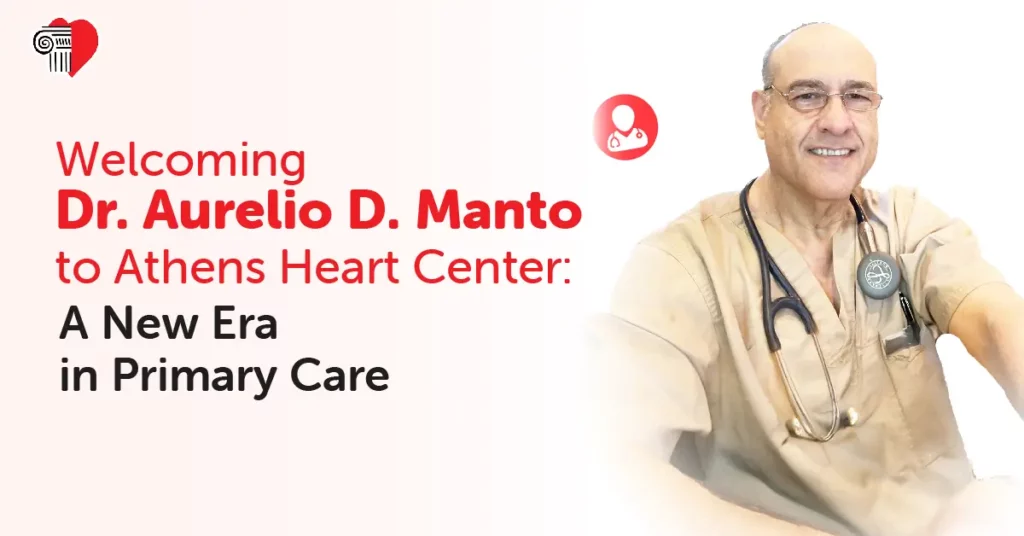
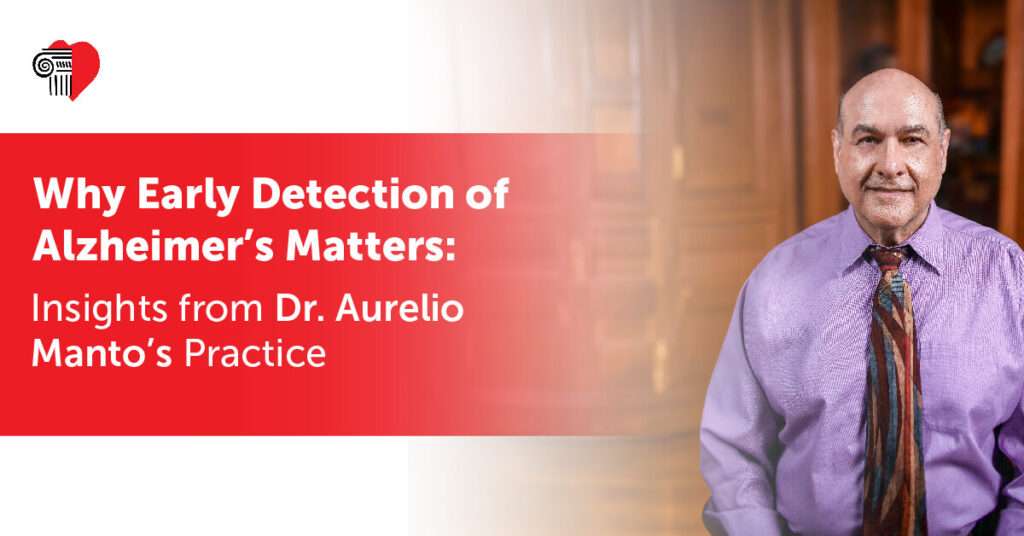
At Athens Heart Center, our primary care team led by Dr. Subodh K. Agrawal and Dr. Aurelio D. Manto provides comprehensive healthcare for adults, helping patients prevent disease, manage chronic conditions, and stay healthy through every stage of life.
What Does a Primary Care Provider Do?
A primary care provider is your first point of contact for most healthcare needs.
Unlike urgent care, which focuses on treating immediate illnesses or injuries, a PCP develops an ongoing relationship with you and understands your:
- Medical history
- Current medications
- Family history
- Lifestyle
- Previous illnesses
- Long-term health goals
This comprehensive understanding allows your provider to deliver personalized care rather than treating each visit as an isolated event.
According to the Centers for Disease Control and Prevention, regular preventive care plays an important role in reducing the burden of chronic disease and improving overall health.
https://www.cdc.gov/chronicdisease/about/index.htm
When Should You See Your Primary Care Provider?
There are many situations where your PCP is the best choice for care.
Annual Physical Exams
Routine wellness visits help detect health problems before symptoms appear. During your annual exam, your provider may:
- Review your medical history
- Measure blood pressure
- Check cholesterol
- Screen for diabetes
- Update vaccinations
- Recommend age-appropriate preventive screenings
Preventive care is one of the most valuable services primary care provides.
Managing Chronic Medical Conditions
If you have an ongoing health condition, your PCP should remain your primary source of care. Examples include:
Your provider monitors your condition over time using tools like Remote Patient Monitoring (RPM) and adjusts treatment as your health changes.
Medication Refills and Management
Primary care providers regularly review medications to ensure they remain safe and effective. This includes:
- Prescription refills
- Monitoring for side effects
- Adjusting dosages
- Reviewing potential drug interactions
Urgent care clinics generally provide only temporary medication management when necessary.
Mild Illnesses That Do Not Require Immediate Treatment
Your PCP can evaluate many common illnesses, including:
- Colds
- Influenza
- Sinus infections
- Sore throat
- Urinary tract infections
- Mild skin infections
- Stomach illnesses
Because your provider knows your health history, treatment recommendations are often more personalized.
Ongoing Symptoms That Need Investigation
Some symptoms require more than a single visit. Examples include:
- Persistent fatigue
- Frequent headaches
- Dizziness
- Weight changes
- Sleep problems (which may require sleep apnea evaluation)
- Recurring abdominal pain
- Joint pain
Your PCP can coordinate Cardiology Diagnostics Services, monitor symptoms over time, and refer you to specialists if needed.
When Is Urgent Care the Better Choice?
Urgent care is appropriate for illnesses or injuries that require prompt attention but are not life-threatening. Common reasons to visit urgent care include:
- Minor cuts requiring stitches
- Sprains
- Minor fractures
- Ear infections
- Pink eye
- Minor burns
- Fever without emergency symptoms
- Mild allergic reactions
These conditions often require same-day treatment but usually do not need emergency room care.
When Should You Go to the Emergency Room?
Some symptoms require immediate emergency medical attention rather than primary care or urgent care. Call 911 or go to the nearest emergency department if you experience:
- Chest pain
- Difficulty breathing
- Signs of a stroke
- Sudden confusion
- Loss of consciousness
- Severe bleeding
- Major trauma
- Severe allergic reactions
The American Heart Association emphasizes that prompt emergency treatment is critical for heart attacks and strokes.
https://www.heart.org/en/health-topics/heart-attack/warning-signs-of-a-heart-attack
Why Having a Primary Care Provider Matters
One of the greatest advantages of primary care is continuity. Your provider follows your health over months and years rather than focusing on a single illness.
This ongoing relationship helps:
- Detect chronic disease earlier
- Monitor health changes over time
- Coordinate specialist care
- Reduce unnecessary testing
- Provide personalized treatment recommendations
- Improve preventive care
Research consistently shows that adults who maintain regular primary care often experience better long-term health outcomes.
Primary Care vs Urgent Care
Primary Care Provider
- Annual wellness visits
- Preventive screenings
- Chronic disease management
- Medication management
- Long-term relationship with patients
- Specialist referrals
- Personalized healthcare planning
Urgent Care
- Same-day treatment for minor illnesses
- Minor injuries
- Minor infections
- Temporary care for unexpected illnesses
- No ongoing medical management
- Limited follow-up care
- Immediate treatment for non-emergency conditions
Both services play important roles, but they serve different purposes.
Building a Long-Term Healthcare Partnership
Your primary care provider is more than someone you visit when you are sick. They become your healthcare partner.
By understanding your complete medical history, monitoring your health over time, and helping you prevent future illness, your PCP provides care that urgent care centers simply cannot replace.
This long-term relationship helps patients make better healthcare decisions throughout every stage of life.
A Simple Self-Assessment
Ask yourself these questions:
- Am I due for my annual physical?
- Do I have an ongoing medical condition that needs monitoring?
- Do I need medication refills?
- Have I been experiencing symptoms for several weeks?
- Do I need preventive health screenings?
- Do I want a provider who knows my medical history?
If you answered yes to any of these questions, scheduling an appointment with your primary care provider is likely the best choice.
Frequently Asked Questions
1. What is the difference between a PCP and urgent care?
A primary care provider manages your long-term health, while urgent care treats unexpected illnesses and injuries that require prompt but non-emergency care.
2. Should I see my PCP for high blood pressure?
Yes. Chronic conditions such as high blood pressure should be managed by your primary care provider through regular monitoring and treatment adjustments.
3. Can urgent care replace my annual physical?
No. Urgent care focuses on immediate medical concerns and does not provide comprehensive preventive healthcare.
4. When should I choose urgent care?
Urgent care is appropriate for minor illnesses and injuries that require same-day treatment but are not medical emergencies.
5. Can my PCP refer me to a specialist?
Yes. Primary care providers coordinate referrals to specialists, including experts in Interventional Cardiology, when additional evaluation or treatment is needed.
6. Why is continuity of care important?
Seeing the same provider over time helps improve diagnosis, treatment planning, medication management, and preventive care.
7. What if I am not sure where to go?
If your symptoms are not life-threatening and you are uncertain, contact your primary care provider's office. They can often advise whether you should schedule an appointment, visit urgent care, or seek emergency treatment.
The Bottom Line
Urgent care clinics provide valuable treatment for unexpected illnesses and minor injuries, but they are not designed to replace the comprehensive, ongoing care of a primary care provider.
Your PCP plays a central role in preventing disease, managing chronic conditions, coordinating specialty care, and helping you maintain long-term health.
Choosing the right place for your healthcare needs not only saves time and money but also ensures you receive the most appropriate care for your situation.
Establish Your Primary Care at Athens Heart Center
Whether you need an annual physical, preventive screenings, chronic disease management, or evaluation of ongoing symptoms, the primary care team at Athens Heart Center is here to help.
We provide personalized, patient-centered care focused on prevention, early diagnosis, and long-term wellness. By building a lasting relationship with your primary care provider, you gain a trusted partner who understands your health history and is committed to helping you live your healthiest life.
Schedule your appointment today and discover the benefits of having a dedicated primary care provider by your side.






Share Your Thoughts
No comments yet — be the first to comment!