

If you are in your 20s, 30s, or 40s, healthy aging may feel like something to think about later. Most people are focused on building careers, raising families, and managing daily responsibilities. Thinking about heart disease, cancer, or dementia decades from now is not usually a top priority.
The challenge is that many of the conditions that affect us later in life do not start in our 60s or 70s. They often begin developing quietly years or even decades before symptoms appear.
The good news is that there is a lot you can do today to improve your chances of staying healthy, active, and independent as you get older.
The goal is not simply to live longer. The goal is to live better for longer.
The Ultimate Longevity Quiz: Do You Know Your Numbers?
Before thinking about complex diets or advanced interventions, it is important to focus on basic health data. Many important risk markers do not cause symptoms early in life.
Ask yourself:
- Do you know your Apolipoprotein B (ApoB) number? Standard cholesterol panels do not always reflect the number of plaque-forming particles in your blood.
- Have you ever tested your Lipoprotein(a), or Lp(a)? This is a genetic risk factor that can increase the risk of early heart disease even when lifestyle habits are healthy.
- Do you know your Carotid Intima-Media Thickness (CIMT)? Standard Coronary Artery Calcium (CAC) scores may not detect early or soft plaque in younger adults, while CIMT evaluates arterial wall thickness.
- Are you aware of Multi-Cancer Early Detection (MCED) tests such as Galleri? These blood tests analyze cell-free DNA methylation patterns and may detect signals associated with multiple cancers before they are visible on imaging.
- Do you know your current VO2 max? Cardiorespiratory fitness is a key measure of physical health and long-term function.
Understanding these numbers can help you and your doctor build a clearer picture of long-term health risk.
Investing in Your Biological Health Over Time

You do not need complex or expensive interventions to focus on long-term health. The most important areas of prevention can be grouped into a few key categories.
Cardiovascular Health
Atherosclerosis develops over many years. ApoB levels can help provide insight into the number of cholesterol particles that contribute to plaque formation. Early awareness allows for more informed discussions about prevention strategies with your healthcare provider.
Precision Diagnostics
Traditional screening guidelines often begin later in life. Emerging tools such as MCED blood tests for cancer or plasma biomarkers for Alzheimer’s disease, including p-tau217, are rapidly emerging in clinical utility as ways to identify disease earlier. These tools are still evolving and should be considered alongside established screening recommendations.
Physical Function and Fitness

Health is not only about lab values. It is also about physical ability.
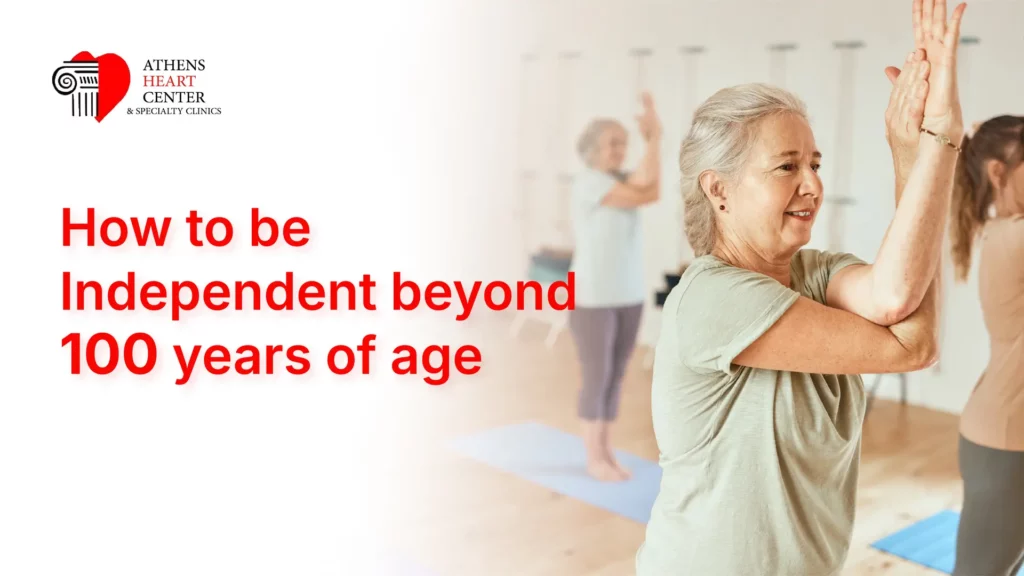
Training for long-term function means focusing on the skills needed for independence later in life, such as:
- Can you climb stairs comfortably?
- Can you carry groceries without difficulty?
- Can you get up from the floor without assistance?
- Can you maintain balance and mobility as you age?
A balanced approach to fitness often includes:
- Aerobic training
- Strength training
- Mobility work
- Balance training
Social Health
Social connection plays an important role in overall well-being. Research has linked chronic loneliness and social isolation with poorer physical and mental health outcomes.
Maintaining strong relationships with family, friends, and community can support healthier aging over time.
What We Know Today and What Is Still Being Studied
Some health strategies are supported by strong and consistent evidence.
These include:
- Regular physical activity
- Avoiding tobacco
- Managing blood pressure
- Maintaining healthy cholesterol levels
- Getting adequate sleep
- Eating a balanced diet
- Staying socially connected
Other areas are still being studied and continue to evolve.
These include:
- Multi-cancer early detection blood tests
- Biological age testing
- Blood biomarkers for Alzheimer’s disease
- Fasting mimicking diets
- Certain longevity-focused supplements
These emerging tools may become more defined in the future as research continues.
Frequently Asked Questions About Healthspan and Healthy Aging
1. What is the difference between "Medicine 2.0" and "Medicine 3.0"?
Medicine 2.0 generally refers to a traditional healthcare model focused on diagnosing and treating disease after symptoms develop. Medicine 3.0 is a newer concept that emphasizes prevention, risk assessment, lifestyle changes, and early detection before symptoms appear.
2. Why shouldn't I wait until age 50 to think about prevention?
Many chronic conditions, including cardiovascular disease, type 2 diabetes, and some cancers, can begin developing years before symptoms appear. Earlier awareness of risk factors may help guide preventive health decisions.
3. Why is ApoB important?
Apolipoprotein B (ApoB) measures the number of cholesterol-carrying particles that may contribute to plaque buildup in arteries. Some research suggests it may provide additional cardiovascular risk information beyond standard LDL cholesterol testing.
4. Should younger adults consider CIMT or CAC testing?
Both tests provide information about cardiovascular risk, but they measure different aspects of vascular health. CAC scoring evaluates calcified plaque in coronary arteries, while CIMT measures carotid artery wall thickness. The choice depends on individual risk factors and clinical judgment.
5. What is the Galleri test?
Galleri is a multi-cancer early detection blood test that analyzes cell-free DNA patterns associated with cancer. It is an emerging tool and is not a replacement for recommended cancer screening tests such as mammograms, colonoscopies, cervical cancer screening, or lung cancer screening when appropriate.
6. What is the "Centenarian Decathlon"?
The Centenarian Decathlon is a fitness concept focused on training for the physical abilities needed to maintain independence in later life, such as lifting objects, climbing stairs, balance, and mobility.
7. What is the Fasting Mimicking Diet (FMD)?
The Fasting Mimicking Diet is a short-term, low-calorie eating pattern designed to simulate some effects of fasting while still providing nutrients. Research is ongoing, and more studies are needed to understand its long-term effects.
8. Can supplements help support healthy aging?
Some supplements have shown potential benefits in specific studies, but evidence varies widely. Supplements should not replace core health strategies such as exercise, nutrition, sleep, and medical risk factor management. Always consult a healthcare provider before starting supplements.
9. What are the Blue Zones?
Blue Zones are regions where populations have been reported to experience longer lifespans. Researchers continue to study factors such as diet, physical activity, social connection, and genetics to understand these patterns.
10. How does loneliness affect physical health?
Research has linked chronic social isolation with increased risks of cardiovascular disease, depression, cognitive decline, and premature mortality. Social connection is an important part of overall health and well-being.
Final Thoughts
There is no single test, diet, supplement, or program that guarantees long-term health.
However, small decisions made consistently over time can influence future health outcomes.
Understanding your risk factors, staying physically active, maintaining social connections, and working with your healthcare team on prevention may help support healthier aging.
Your future health is shaped over time, not in a single moment.
Medical Disclaimer
This content is for educational purposes only and should not be considered medical advice. Always consult a qualified healthcare professional for personalized medical guidance, screening decisions, or treatment recommendations.
References & Source Citation
Supporting Clinical Evidence within the Framework:
- Lipidology: Sniderman, A. D., et al. (2019). "Apolipoprotein B and Cardiovascular Disease: The Case for a New Standard of Care." Journal of Clinical Lipidology. View Study
- Oncology Diagnostics: Klein, E. A., et al. (2021). "Clinical validation of a targeted methylation-based multi-cancer early detection test using an independent validation set." Annals of Oncology. View Study
- Nutritional Interventions: Wei, M., et al. (2017). "Fasting-mimicking diet and markers/risk factors for aging, diabetes, cancer, and cardiovascular disease." Science Translational Medicine. View Study
- Sociological Impact: Waldinger, R. J., & Schulz, M. S. (2016). "What's love got to do with it? Social functioning, perceived health, and daily happiness in married octogenarians." Psychology and Aging. View Study
- Neurological Biomarkers: Janelidze, S., et al. (2020). "Plasma P-tau217 in Alzheimer Disease Diagnosis and Prognosis." JAMA. View Study


Share Your Thoughts
No comments yet — be the first to comment!