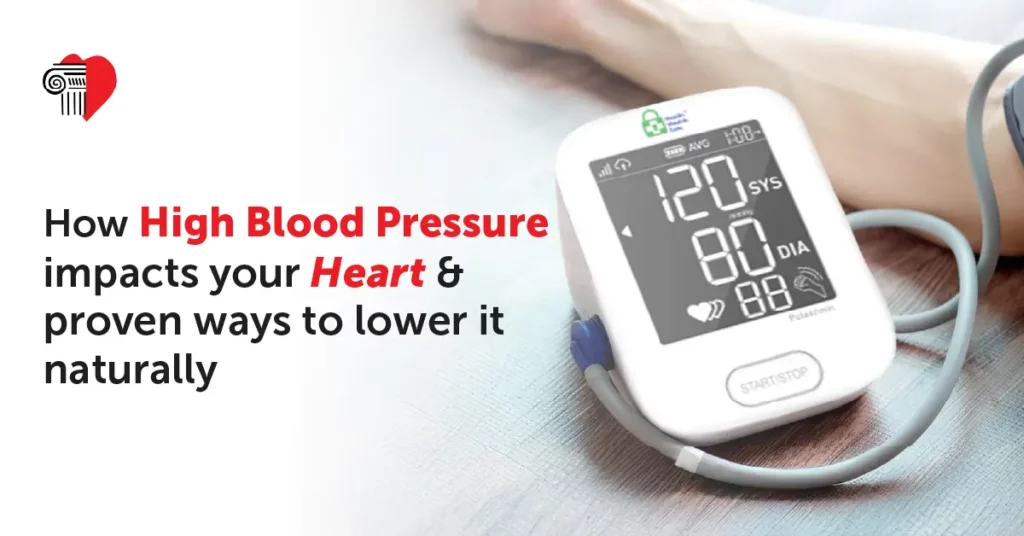
Most patients think high blood pressure is the disease itself.
In reality, it is often a warning sign.
A signal.
A symptom.
A reflection that something deeper inside the body is no longer functioning properly.
This is one of the biggest misconceptions in cardiovascular medicine today.
Many people focus only on lowering the blood pressure reading while ignoring the root causes driving it in the first place.
That is why some patients continue struggling despite taking multiple medications for years.
High Blood Pressure Is Often the Body’s Alarm System
Blood pressure rises for a reason.
The body does not randomly decide to create hypertension.
In many cases, elevated blood pressure develops because the cardiovascular system is under chronic stress.
This stress may come from:
- Poor sleep
- Obesity
- Chronic inflammation
- Insulin resistance
- Stress overload
- Lack of physical activity
- Sleep apnea
- Excess sodium and processed food intake
The number on the blood pressure machine is often the final result of years of metabolic and vascular strain.
Why Medication Alone Sometimes Fails
Blood pressure medications can be lifesaving and absolutely necessary for many patients.
But medications mainly control the symptom.
They do not always correct the deeper dysfunction driving the problem.
This is why patients sometimes notice:
- Their blood pressure rises again after stress
- Numbers worsen with poor sleep
- Weight gain increases medication requirements
- Lifestyle changes suddenly improve readings dramatically
The body is constantly responding to internal conditions.
According to the American Heart Association, blood pressure control requires both medical treatment and lifestyle intervention to achieve the best long term outcomes.
The Missing Piece Many Patients Never Hear About
Modern hypertension is deeply connected to nervous system imbalance and metabolic dysfunction.
When the body remains in a constant stress state, hormones like cortisol and adrenaline stay elevated.
This tightens blood vessels, increases heart rate, and raises blood pressure continuously.
Poor sleep amplifies this cycle even further.
According to the Centers for Disease Control and Prevention, insufficient sleep is strongly associated with increased risk of hypertension and cardiovascular disease.
This is why treating hypertension requires looking beyond the cuff reading.
Why Sleep Apnea Is One of the Most Overlooked Causes
One of the biggest hidden drivers of difficult to control blood pressure is obstructive sleep apnea.
Many patients with hypertension also experience:
- Loud snoring
- Morning headaches
- Daytime fatigue
- Poor sleep quality
During sleep apnea episodes, oxygen levels drop repeatedly through the night.
The body responds by activating stress hormones and raising blood pressure.
Over time, this creates chronic cardiovascular strain.
Research from the National Institutes of Health strongly links untreated sleep apnea with resistant hypertension and heart disease.
The Goal Is Not Just Lower Numbers
Lowering blood pressure matters.
But true prevention means improving the overall health of the cardiovascular system itself.
That includes improving:
- Sleep quality
- Weight management
- Stress recovery
- Physical activity
- Metabolic health
- Inflammation levels
This is where long term cardiovascular protection happens.
Why Prevention Must Start Earlier
Many patients wait until blood pressure becomes severely elevated before taking action.
But hypertension often develops silently for years before symptoms appear.
By the time headaches, dizziness, or shortness of breath occur, vascular damage may already be developing.
Early intervention changes the trajectory completely.
A Simple Self Assessment
Ask yourself honestly:
- Do I sleep poorly or snore loudly
- Do I feel chronically stressed
- Have I gained weight over the past few years
- Do I exercise inconsistently
- Is my blood pressure difficult to control despite medication
These patterns often reveal the deeper drivers of hypertension.
Frequently Asked Questions
1. Is high blood pressure itself the disease
Often it is a warning sign that deeper metabolic or cardiovascular stress is present.
2. Do blood pressure medications still matter
Absolutely. Many patients require medication to reduce cardiovascular risk safely.
4. Why does stress raise blood pressure
Stress hormones tighten blood vessels and increase heart workload.
5. Can weight loss improve hypertension
Yes, even modest weight reduction can improve blood pressure significantly.
6. Why do some patients need multiple medications
Because underlying drivers like sleep apnea, obesity, and metabolic dysfunction may still be active.
7. Is hypertension reversible
Some patients improve substantially through lifestyle and metabolic interventions, though others still require long term treatment.
The Bottom Line
High blood pressure is not simply a number to suppress.
It is often the body’s early warning signal that deeper cardiovascular stress is developing.
Medication is important, but true long term prevention requires addressing the root causes driving the problem.
The earlier those causes are identified, the greater the opportunity to protect long term heart health.
Take the Next Step
If your blood pressure remains elevated despite treatment, or if you feel there may be deeper contributors affecting your health, do not ignore the warning signs.
At Athens Heart Center, we focus on prevention, advanced cardiovascular evaluation, sleep related heart risk, and long term health strategies designed to protect both lifespan and healthspan.
Because the best cardiovascular care does not just treat numbers.
It understands why the numbers changed in the first place. If you are experiencing difficult-to-manage spikes, consider consulting our specialist team regarding tailored resistant hypertension treatment.




Share Your Thoughts
No comments yet — be the first to comment!