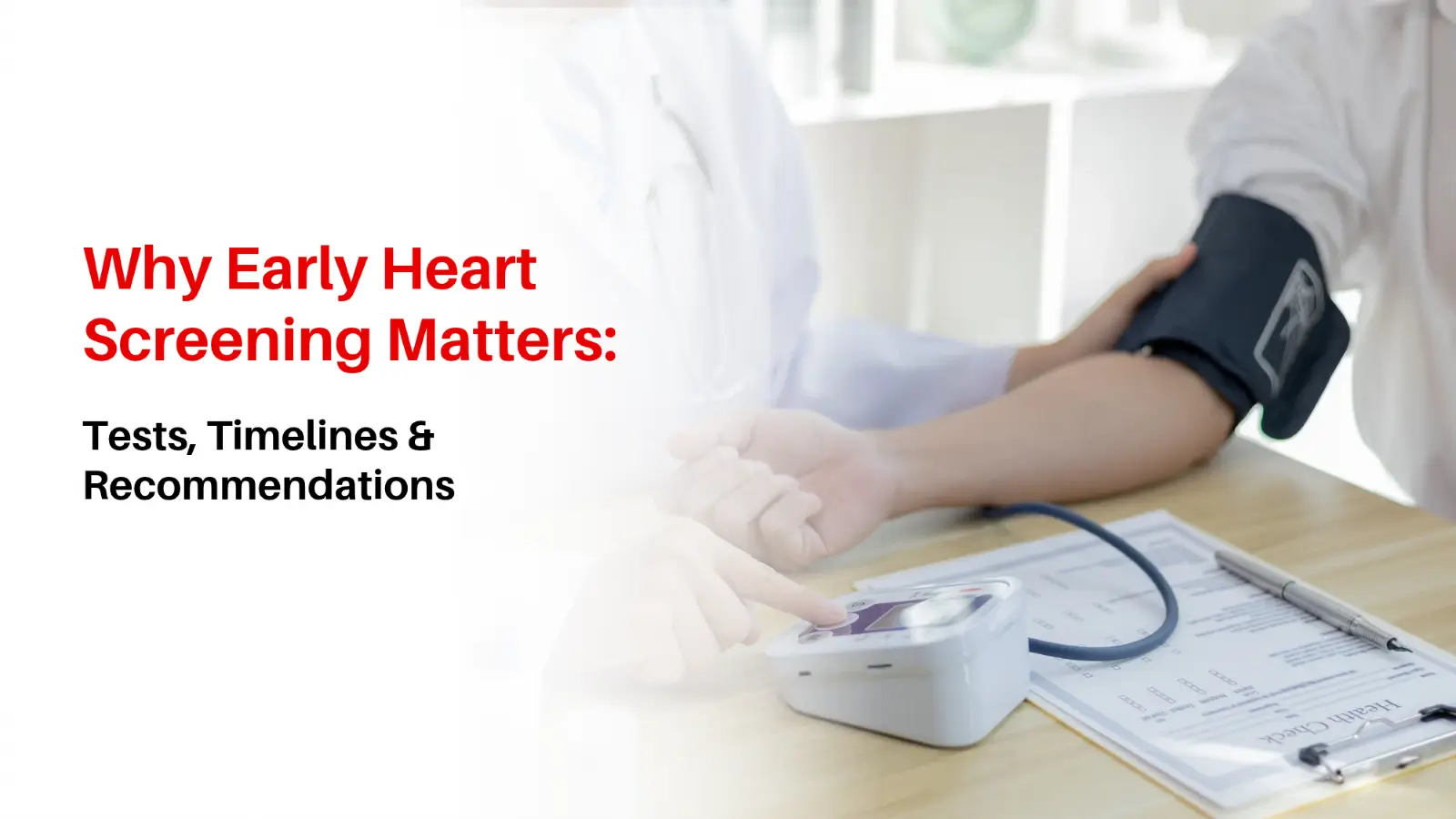
Why Early Heart Screening Matters: Tests, Timelines & Recommendations
Subodh K. Agrawal, MD, FACC
Founder & Lead Cardiologist, Athens Heart Center
Heart disease does not always announce itself with chest pain or shortness of breath. Silent risk factors like high blood pressure, elevated LDL cholesterol, and Lp(a) can develop without symptoms for years. Early heart screening helps identify these risks early, allowing you and your physician to construct a personalized cardiovascular prevention plan before serious events occur.
Routine screening is for preventive assessment in people without symptoms. If you experience chest discomfort, severe shortness of breath, unexplained fainting, or sudden weakness, call 911 immediately. Do not delay emergency care while waiting for a routine appointment.
What Is Early Heart Screening?
Heart screening involves evaluating cardiovascular risk in people who may not have symptoms of heart disease. Depending on your age, medical history, family history, and other risk factors, this may include checking blood pressure, measuring cholesterol, screening for diabetes, and calculating your estimated cardiovascular risk score.
Screening is fundamentally different from diagnostic testing. Screening looks for silent risk factors or early markers that warrant attention, while diagnostic testing investigates specific symptoms or suspected medical conditions.
For example, a blood pressure check can identify silent hypertension, while an electrocardiogram (ECG) records the heart's electrical activity. An ECG may be useful when investigating symptoms, but it is not automatically necessary as a screening test for every healthy person.
The purpose of early screening is not to order every available cardiac test. It is to identify the specific tests most likely to provide useful, actionable information for your individual health situation.
Why Does Early Heart Screening Matter?
High blood pressure, abnormal cholesterol, and elevated blood sugar can increase cardiovascular risk without causing obvious symptoms. Regular preventive visits give your healthcare provider an opportunity to catch these concerns early. The American Heart Association emphasizes blood pressure and lipid assessments as essential elements of heart health care.
Two people of the exact same age may have vastly different cardiovascular risks. One may have optimal blood pressure and no family history, while another manages diabetes, smokes, or has a parent who suffered a premature heart attack. A personalized screening plan addresses these individual differences rather than relying on age alone.
Managing cardiovascular risk factors early reduces the likelihood of future heart disease and stroke. While screening does not guarantee complete disease prevention, it creates a crucial window of opportunity to take preventive action before a serious cardiac event occurs.
Which Heart Screening Tests May Be Recommended?
The appropriate screening tests depend on your medical history, personal risk profile, and clinical findings.
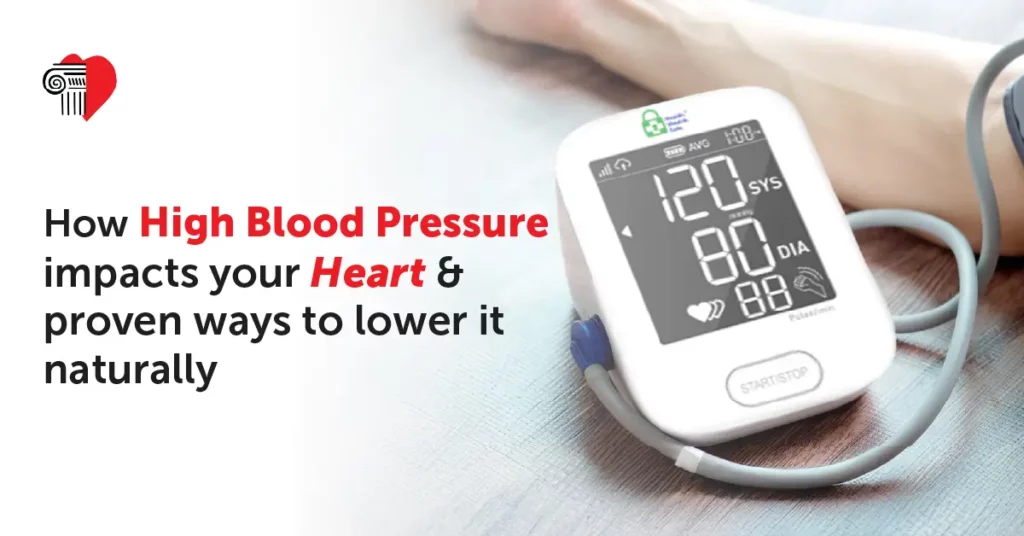
1. Blood Pressure Measurement
High blood pressure is one of the leading drivers of heart disease and stroke. Because hypertension rarely presents symptoms, routine measurement is the only reliable way to detect it.
The US Preventive Services Task Force (USPSTF) recommends annual blood pressure screening for adults aged 40 and older, as well as younger adults at increased risk. Adults aged 18 to 39 with normal previous readings may be screened every 3 to 5 years. Elevated readings are typically confirmed using validated home blood pressure monitoring before diagnosis.
2. Cholesterol and Lipid Testing
A standard lipid panel measures total cholesterol, LDL (bad cholesterol), HDL (good cholesterol), and triglycerides.
Updated 2026 dyslipidemia guidance from the American Heart Association and American College of Cardiology emphasizes earlier identification of abnormal blood lipids. It specifically recommends measuring Lipoprotein(a), or Lp(a), at least once in adulthood to identify this inherited, highly atherogenic risk factor. Additional testing like Apolipoprotein B (ApoB) may also be evaluated.
3. Blood Sugar Testing
Prediabetes and type 2 diabetes accelerate vascular inflammation and double cardiovascular risk. Screening uses fasting blood glucose or Hemoglobin A1c (HbA1c) to evaluate 3-month average blood sugar levels.
The USPSTF recommends screening for prediabetes and diabetes in adults aged 35 to 70 who are overweight or obese, with earlier testing recommended for those with additional risk factors or family history.
4. Cardiovascular Risk Assessment (AHA PREVENT)
Clinicians integrate age, blood pressure, cholesterol, smoking status, kidney function, and diabetic status to estimate future heart attack and stroke risk.
The American Heart Association's PREVENT equations calculate 10-year cardiovascular risk for adults aged 30 to 79 and 30-year risk for eligible younger adults, helping guide collaborative decisions regarding preventive therapy.
5. Electrocardiogram (ECG / EKG)
An ECG records the electrical signals of the heart to investigate symptoms like palpitations, fainting, or chest discomfort. However, the USPSTF advises against routine ECG screening in asymptomatic adults at low risk, as potential unnecessary downstream testing can outweigh benefits.
6. Echocardiogram
Uses ultrasound to examine heart valves, chamber size, and pumping function. Recommended for evaluating heart murmurs, structural concerns, or specific clinical findings rather than routine asymptomatic screening.
7. Stress Testing & CAC Scoring
Coronary Artery Calcium (CAC) CT scans measure calcified plaque inside heart arteries to clarify risk when treatment decisions remain uncertain. Stress tests evaluate blood flow under physical exertion.
When Should You Start Heart Screening?
There is no single age at which everyone requires every heart test. This age-based guide outlines key preventive milestones:
In Your 20s: Baseline Assessment
Establish baseline blood pressure, check cholesterol levels, and discuss family medical history. Measuring Lp(a) once in early adulthood helps identify inherited genetic cardiovascular risk early.
In Your 30s: Risk Tracking & Lifestyle
Continue routine blood pressure and lipid monitoring. Clinicians can use the AHA PREVENT equations starting at age 30 to project future cardiovascular risk and optimize lifestyle factors like diet, sleep, and exercise.
In Your 40s: Annual Blood Pressure & Diabetes Checks
Cardiovascular risk naturally increases with age. Adults aged 40+ benefit from annual blood pressure screening, regular blood sugar evaluation (HbA1c), and comprehensive risk reviews.
In Your 50s and 60s: Intensive Monitoring
Maintain close monitoring of blood pressure, lipid panels, glucose levels, and kidney function. A Coronary Artery Calcium (CAC) scan may be considered to clarify treatment goals if risk decisions are uncertain.
After Age 70: Tailored Senior Care
Continue regular reviews tailored to overall health, medications, functional independence, and quality of life goals rather than relying strictly on arbitrary testing schedules.
Who May Need Earlier or More Frequent Heart Screening?
Certain personal health factors or family medical history justify earlier or more frequent cardiovascular evaluation. Consider scheduling a screening if you have:
Heart Screening Self-Assessment Checklist
Ask yourself these 7 key questions prior to your next preventive doctor's visit:
- 1 Do I know my most recent blood pressure numbers?
- 2 Have I had my cholesterol and lipid panel checked in the past 3 to 5 years?
- 3 Have I ever had my inherited Lipoprotein(a) [Lp(a)] level tested?
- 4 Have I been screened for prediabetes or elevated blood sugar?
- 5 Do I know if heart attack or stroke runs in my family before age 55 (men) or 65 (women)?
- 6 Have I calculated my 10-year cardiovascular risk score with my doctor?
- 7 Am I experiencing any new symptoms (shortness of breath, chest pressure) that require medical evaluation?
Frequently Asked Questions
At what age should I start heart screening?
Preventive cardiovascular assessment should begin in young adulthood (20s) with baseline blood pressure, lipid panels, and family history reviews. Formal risk scoring using the AHA PREVENT equations is recommended starting at age 30 for eligible adults.
What is the most important heart screening test?
There is no single test that provides a complete assessment. Blood pressure measurement, advanced lipid panels (including LDL, ApoB, and Lp(a)), diabetes screening, and overall risk calculation together form the essential foundation of preventive heart health.
Can an ECG detect heart disease before symptoms appear?
An ECG records electrical signals and can detect certain rhythm abnormalities or past heart damage, but it cannot predict or rule out future heart attacks. The USPSTF advises against routine screening ECGs in healthy adults without symptoms.
Should I get a heart screening if I have no symptoms?
Yes. Major risk factors like high blood pressure and high cholesterol cause no symptoms for years. Screening identifies these silent risks early so lifestyle changes or treatment can be started before damage occurs.
Does family history affect when I should start heart screening?
Yes. If a first-degree relative (parent or sibling) developed heart disease at an early age, your personal risk is significantly higher. You should inform your cardiologist and begin screening earlier in adulthood.
What is a Coronary Artery Calcium (CAC) scan?
A CAC scan is a low-dose CT scan that directly visualizes calcified plaque in your heart arteries. It is used in selected intermediate-risk patients to clarify whether starting medication like statins is appropriate.
Can early heart screening prevent a heart attack?
While no screening tool guarantees complete prevention, early screening identifies manageable risk factors. Treating high blood pressure and elevated cholesterol dramatically reduces long-term heart attack risk.
Schedule Your Comprehensive Heart Screening in Athens, GA
Early heart screening is about understanding your cardiovascular risk before a serious problem develops. Athens Heart Center provides expert lipid management, advanced diagnostic testing, and personalized preventive care.
Clinic Address: 2005 Prince Avenue, Athens, GA 30606
This article is for educational purposes and does not replace professional medical advice, diagnosis, or treatment.
- American Heart Association: Heart Health Screenings Guidance
- US Preventive Services Task Force: Hypertension in Adults Screening Recommendation
- 2026 AHA/ACC Guideline on the Management of Dyslipidemia & Lp(a) Testing
- USPSTF: Screening for Prediabetes and Type 2 Diabetes
- American Heart Association: PREVENT Risk Calculator Equations
- USPSTF: Cardiovascular Disease Risk Screening with Electrocardiography





Share Your Thoughts
No comments yet — be the first to comment!