Key Takeaway for Athens Residents: Whole-person heart health combines advanced arterial tracking (LDL-C, Lp(a), CAC) with muscle retention and brain care to extend healthspan, prevent secondary heart events, and maintain full living independence at home.
On a crisp autumn afternoon in Athens, Jim, a 62-year-old local resident, felt a sudden, heavy tightness in his chest while walking near the State Botanical Garden. Like many of our neighbors, he almost dismissed it as indigestion from a quick lunch down on Prince Avenue. Thanks to his family's persistence, he went straight to the emergency room.
Jim survived a major heart attack caused by a blocked coronary artery, the silent accumulation of unmanaged blood pressure and high cholesterol that had developed over decades.
In clinical practice, stories like Jim's are heard every week across Clarke and Oconee counties. But surviving a cardiac event is only step one. The true objective of modern cardiology is whole-person heart health and healthspan management: preventing secondary cardiac events, preserving muscle mass and brain function, maintaining personal independence, and keeping Athens seniors thriving in their own homes.
1. Look Beyond the Standard Cholesterol Panel
A routine cholesterol test is an important part of preventive care. However, to manage the whole person and effectively prevent primary and secondary cardiac events, standard routine physicals are often not enough. You and your physician should track these advanced cardiovascular and metabolic markers:
| Test / Marker |
What It Measures |
Target Goal for Optimal Healthspan |
LDL-C
(Low-Density Lipoprotein) |
Primary circulating bad cholesterol driving arterial plaque formation. |
< 70 mg/dL (Primary Prevention)
/ < 55 mg/dL (Post-Event) [1] |
Lp(a)
[Lipoprotein(a)] |
An inherited, highly inflammatory variant of LDL that multiplies heart attack and aortic stenosis risk. |
< 30-50 nmol/L (Screened at least once in a lifetime) [2] |
HbA1c
(Hemoglobin A1c) |
3-month average blood glucose; key marker for prediabetes and vascular insulin resistance. |
< 5.7% (Vascular inflammation accelerates when elevated) [3] |
CAC
(Coronary Artery Calcium) |
A low-dose CT scan measuring calcified plaque inside coronary arteries. |
0 Agatston Score (Zero calcium = optimal 10-year outlook) [4] |
2. Preventing Sarcopenia: Preserving Muscle Strength & Independent Living
Sarcopenia, the age-related loss of muscle mass, power, and function, is one of the leading drivers of physical frailty, accidental falls, and loss of independent living in older adults [5]. Protecting your skeletal muscle is just as vital to cardiovascular survival as controlling your cholesterol.
Self-Assessment: Evaluating Your Functional Strength at Home
- The 30-Second Chair Stand Test: Sit in an armless chair with arms crossed over your chest. Stand up fully and sit down as many times as possible in 30 seconds. (Fewer than 12-14 stands for adults 60+ indicates reduced lower-body power and fall risk) [6].
- Grip & Carry Test: Assess whether you can comfortably carry a 10 lb grocery bag in each hand for 50 feet without severe fatigue or weakness.
- Gait Speed Check: If crossing a timed pedestrian intersection on Broad Street requires visible strain, lower-body physical reserve may be declining.
Clinical Steps to Rebuild Muscle Mass
- Progressive Resistance Training (PRT): Perform targeted strength exercises 2-3 times weekly using weights, resistance bands, or body weight to stimulate muscle protein synthesis [5].
- Optimal Protein Intake: Consume 1.0 to 1.2 grams of protein per kilogram of body weight daily, distributed evenly across meals [5].
- Balance & Aerobic Integration: Combine cardiovascular movement (walking, swimming) with balance exercises (Tai Chi, single-leg stands) to support joint stability and fall prevention.
3. Protecting Brain Health & Cognitive Function
The brain and heart rely on the exact same microvascular network. Vascular dementia and cognitive decline often share the exact same root causes as coronary artery disease [7].
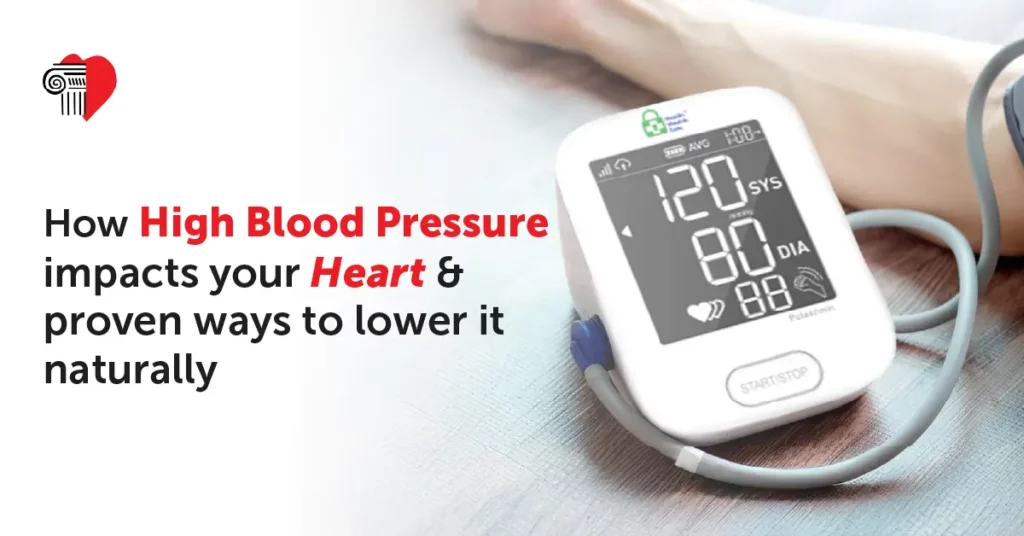
- Strict Blood Pressure Control: Maintaining resting blood pressure consistently below 120/80 mmHg protects delicate micro-vessels in the brain from silent lacunar strokes and white matter damage [7].
- Sleep Architecture & Glymphatic Drainage: Prioritize 7-8 hours of restorative sleep to allow the brain's glymphatic system to clear metabolic waste products [8].
- Cognitive Reserve & Social Connection: Lifelong learning, active social engagement in local Athens community groups, and mental challenges help build neural pathways that shield against cognitive decline.
4. Frequently Asked Questions (FAQs)
1. What does "whole-person heart health" mean in cardiovascular care?
Whole-person heart health treats you as a complete person rather than an isolated blood pressure reading or clogged artery. It evaluates your vascular system, lipid sub-fractions, metabolic health, physical strength, sleep quality, stress levels, and emotional well-being to keep all body systems working together harmoniously.
2. Why is Lipoprotein(a) [Lp(a)] so critical, and why hasn't my doctor checked it?
Lp(a) is a genetically determined lipid particle that causes aggressive arterial plaque buildup and blood clots [2]. Standard lipid panels do not include it. Because Lp(a) levels are inherited and remain stable throughout life, every adult should have their Lp(a) checked at least once to quantify their baseline genetic risk.
3. What is a Coronary Artery Calcium (CAC) score, and who needs one?
A CAC scan is a non-invasive, low-dose CT scan of the heart that directly visualizes calcified plaque in your coronary arteries [4]. A score of zero indicates very low 10-year heart attack risk, whereas a higher score allows us to start preventive therapies long before symptoms appear.
4. How does preventing sarcopenia help seniors avoid moving into a nursing facility?
Nursing home admission in older age is most frequently caused by physical frailty, stroke, heart failure fatigue, or hip fractures from falls [5]. By building leg and core muscle strength, maintaining balance, and keeping blood pressure controlled to prevent strokes, seniors preserve their ability to dress, cook, bathe, and live safely in their own homes.
5. How can I check my physical strength at home without special equipment?
The easiest self-check is the 30-Second Chair Stand Test [6]. Sit in a standard chair, cross your arms over your chest, and see how many times you can stand up completely and sit back down in 30 seconds. Fewer than 12 to 14 repetitions signals that it is time to begin structured leg-strengthening exercises.
6. How does an elevated HbA1c affect my cardiovascular system?
Elevated HbA1c indicates higher average blood sugar levels, which create oxidative stress and damage the delicate inner lining (endothelium) of your blood vessels [3]. This chronic inflammation speeds up arterial hardening and significantly increases heart attack risk.
7. Why do winter weather and holiday seasons increase heart risks in Athens?
Cold air causes blood vessels to constrict, elevating blood pressure. Concurrently, festive meals high in sodium cause fluid retention, while holiday stress and increased alcohol intake can trigger arrhythmias like atrial fibrillation ("Holiday Heart Syndrome") [9].
8. What role does cardiac rehabilitation play in long-term recovery?
Cardiac rehab is a medically supervised program that bridges hospital treatment and lifelong physical fitness [10]. It safely tests your heart under stress, helps rebuild lost muscle, lowers long-term mortality, and restores your confidence to return to active daily living without fear.
9. How does managing blood pressure protect my brain as I age?
Uncontrolled blood pressure damages small arteries deep inside the brain, causing silent mini-strokes and cognitive slowing [7]. Maintaining an optimal blood pressure (under 120/80 mmHg) preserves blood flow to areas responsible for memory, reasoning, and daily independence.
10. How can seniors in Athens make full use of their Medicare benefits before year-end?
Medicare covers a $0 out-of-pocket Annual Wellness Visit every calendar year. This visit provides an ideal opportunity to review chronic medications, check annual lipid and HbA1c panels, assess fall and muscle weakness risks, and establish a clear preventive action plan before annual benefit periods reset.
Take Charge of Your Healthspan Today
Whether you are seeking primary prevention or recovering from a heart event, whole-person heart health care is available locally in Athens.
Athens Heart Center & Specialty Clinic
2005 Prince Ave, Athens, GA 30606
(706) 208-9700
Contact our office today to schedule your cardiovascular healthspan assessment, advanced lipid evaluation, or Medicare Annual Wellness Visit.
Medical References & Citations
- Grundy, S. M., et al. (2019). 2018 AHA/ACC/AACVPR/AAPA/ABC/ACPM/ADA/AGS/APhA/ASPC/NLA/PCNA Guideline on the Management of Blood Cholesterol. Journal of the American College of Cardiology, 73(24), e285-e350.
- Tsimikas, S. (2017). A Test in Context: Lipoprotein(a): Diagnosis, Prognosis, and Therapy. Journal of the American College of Cardiology, 69(6), 692-711.
- American Diabetes Association. (2024). Standards of Care in Diabetes-2024. Diabetes Care, 47(Suppl. 1), S1-S343.
- Greenland, P., et al. (2018). Coronary Artery Calcium Scoring for Risk Assessment in Preventive Cardiology. JACC: Cardiovascular Imaging, 11(3), 400-413.
- Cruz-Jentoft, A. J., et al. (2019). Sarcopenia: revised European consensus on definition and diagnosis. Age and Ageing, 48(1), 16-31.
- Jones, C. J., Rikli, R. E., & Beam, W. C. (1999). A 30-s chair-stand test as a measure of lower body strength in community-residing older adults. Research Quarterly for Exercise and Sport, 70(2), 113-119.
- Iadecola, C., et al. (2016). Impact of Hypertension on Cognitive Function: A Scientific Statement From the American Heart Association. Hypertension, 68(6), e67-e94.
- Nedergaard, M., & Goldman, S. A. (2020). Glymphatic failure as a final common pathway to dementia. Science, 370(6512), 50-56.
- Ettinger, P. O., et al. (1978). Arrhythmias and the "Holiday Heart": alcohol-associated cardiac rhythm disorders. American Heart Journal, 95(5), 555-562.
- Thomas, R. J., et al. (2019). Home-Based Cardiac Rehabilitation: A Scientific Statement From the American Association of Cardiovascular and Pulmonary Rehabilitation, the American Heart Association, and the American College of Cardiology. Circulation, 140(1), e69-e89.


Share Your Thoughts
No comments yet — be the first to comment!